MobOS: Virtual Machine life sim through an early‑2000s internet
MobOS, developed by Mob, is a digital archaeology and life simulation that recreates an alternate early-2000s operating system environment. Players explore a simulated internet, run custom software inside a virtual machine, and interact with functioning forums and downloadable games. Key elements include a bytecode-capable Virtual Machine, real-time world progression, and in-game compiler tools with Workshop sharing. Fans of fake‑OS simulation and retro-tech alternate history will find a patient, creative sandbox built for discovery.
What kind of experience does the game create?
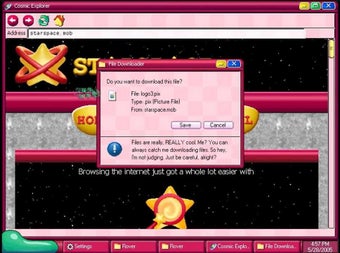
The game is a sandbox-styled digital archaeology and life simulation that places the player inside an alternate early-2000s operating system. The core loop centers on exploration: browsing hand-coded websites, downloading retro software, and investigating community threads. The virtual world progresses in real time, so sites and social spaces change based on player actions. This slow, discovery-led design suits players who prefer investigation to mission-driven objectives.
Can you create and share software inside the simulator?
The title includes a fully featured Virtual Machine that compiles and runs custom bytecode, plus in-game compiler tools for authoring programs. Steam Workshop support and built-in sharing let players distribute creations to the wider community. Those systems turn the environment into a playable development sandbox: you can write, test, and iterate software inside the same simulated OS you explore, then download or install community-made tools.
What does the game look and feel like?
The presentation leans into retro-tech authenticity with period-accurate UI design and CRT flicker effects that mimic early-2000s displays. Interface elements recall older operating systems and hand-coded web pages populate the simulated browser, which gives the world a lived-in texture. That styling supports the archaeology theme and helps the visual language of menus and links feel consistent with the alternate-history setting.
Is it hard to get started and progress?
There is no forced protagonist or scripted campaign, so goals are player-defined from the first session. That openness creates a learning curve, particularly around the Virtual Machine's bytecode and the compiler tools. The developer maintains an active community presence and Workshop content that ease the initial friction, but newcomers should expect to spend time reading forums and experimenting before they unlock deeper systems.
An inviting choice for patient explorers and creators
This title suits players who enjoy slow, investigative play and community collaboration rather than immediate objectives. The Windows release asks for a modest but specific setup, with minimum requirements including a 1.4 GHz processor, 4 GB of RAM, and a mid-range GPU; confirm your system meets those specs before investing long play sessions.